
Need help ?Address: FLAT/RM 803 CHEVALIER HOUSE 45-51 CHATHAM ROAD SOUTH TSIM SHA TSUI KL
Email: support@hkmlc.com

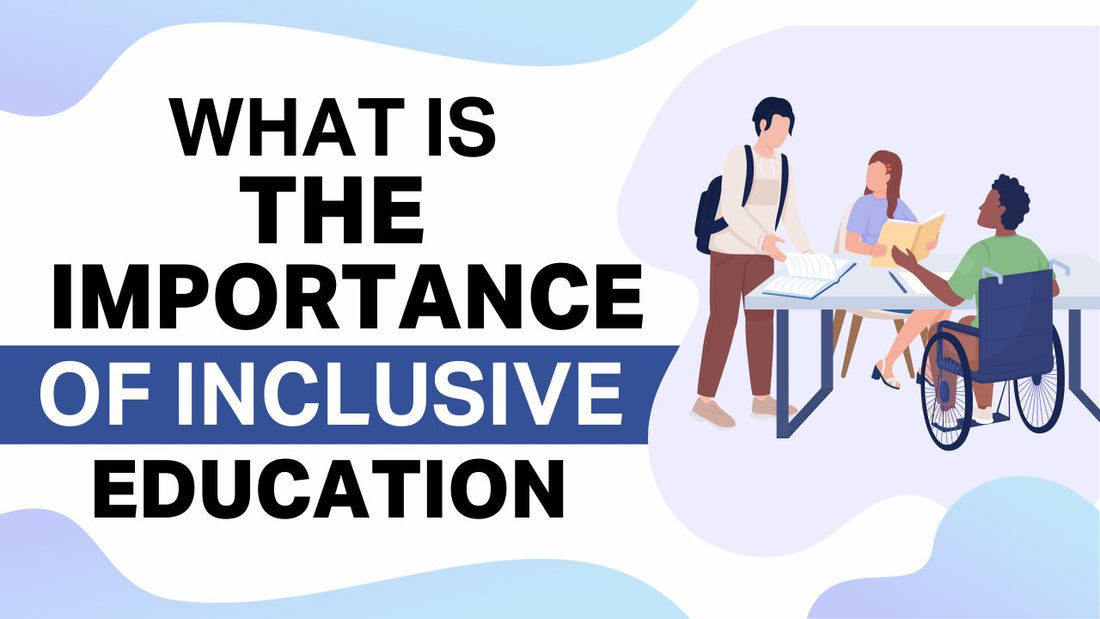
Inclusive education provides an opportunity for all students to participate in the learning process irrespective of their ability to learn, gender, marital status, socioeconomic status, or other characteristics. It stresses equal opportunities, as students with disabilities or other needs can learn with their peers. Inclusive learning refers to the pedagogy of adapting teaching strategies to accommodate diverse needs, and it ties in closely with this idea. Now, what does inclusion mean in education? It is about creating belonging and removing learning barriers.
Some of the principles that hold true for inclusive education are:
· Provide: Research and support to help students access education.
· Valuing Diversity: Celebrating differences and building empathy among students.
· Collaboration: Teachers, parents, and support staff collaborate to support student development.
These principles are at the heart of inclusive teaching; simply put, we must adapt our lessons to accommodate different learning styles.
The advantages of inclusive education are many:
· Better Academic Results: Students learn and improve — including those who are disabled.
· Improved Social Skills: Students learn empathy and collaboration by communicating with peers from different backgrounds.
· Increased Confidence: Students who feel valued are more likely to participate in the learning process and share their thoughts.
Even though inclusive education is beneficial, it also presents various challenges:
· Limited Resources: The lack of specialized tools or training for teachers is a challenge for a lot of schools.
· Resistance to Change: Some teachers are not entirely aware of the significance of inclusive instructional practices.
· Student Needs: Providing for the needs of all students can be challenging in a heterogeneous classroom.
Here are some ways how schools can achieve inclusive education:
· Training Programs: Train teachers on inclusive learning, and adaptive teaching strategies.
· Ability to Use Flexible Teaching Tools: Utilize interactive and accessible technology to cater to all learners.
· Peer Support between participants: Initiate peer-to-peer learning activities to build up a support community.

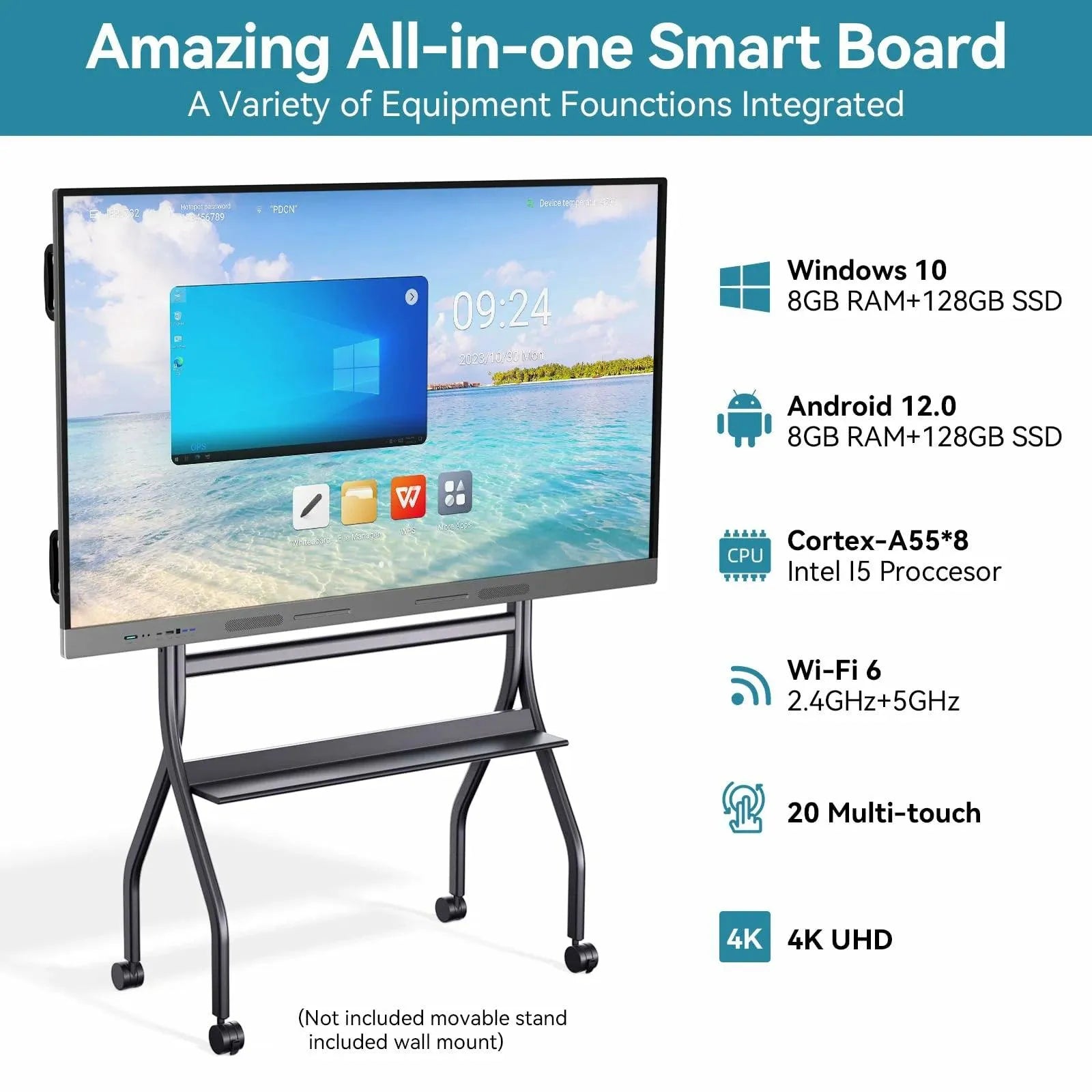
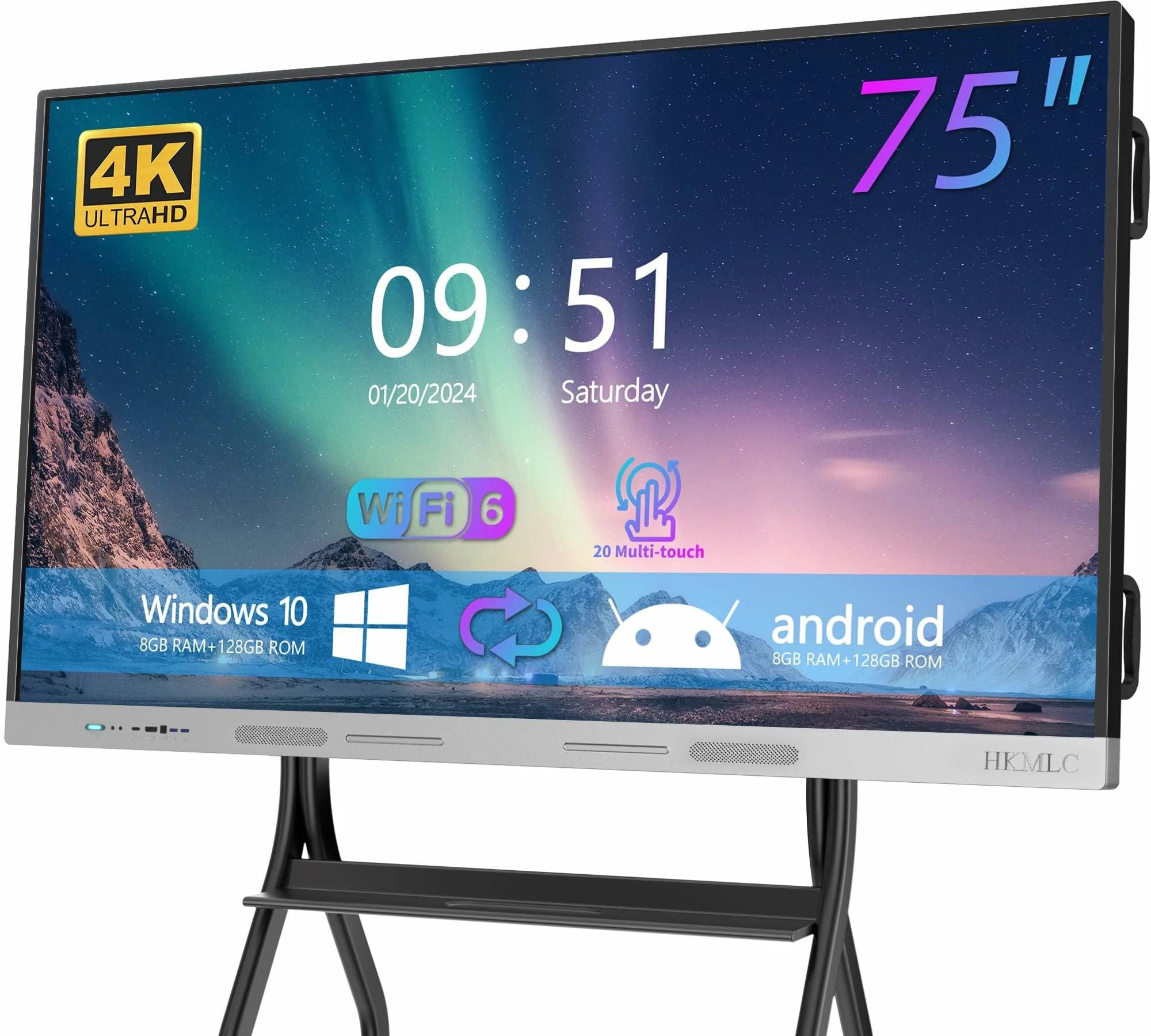
The HKMLC Smart Board is an essential piece of the puzzle that supports inclusive education through interactive, adaptive tools for diverse needs. Multi-touch support and wireless screen casting features enable teachers to curate content that captures the attention of multi-dimensional learners. Visual learners benefit from high-definition graphics, while interactive tools assist kinesthetic learners. Learn more about how the HKMLC Smart Board can revolutionize inclusive classrooms here.
The HKMLC Smart Board can help educators overcome many challenges in using inclusive teaching. It supports collaborative activities and real-time participation and allows teachers to customize lesson plans on the fly. These capabilities create a sense of belonging and involvement, making inclusive learning a reality for more students. Find out more about HKMLC Smart Board here, building better and more inclusive education.
No comments

Where Visions Are Amplified!
Email: support@hkmlc.com
Phone: 1-877-947-8577
Adress: ROOM_1, 16/F EMPRESS PLAZA 17-19 CHATHAM ROAD SOUTH, TSIM SHA TSUI, HK



0 comments